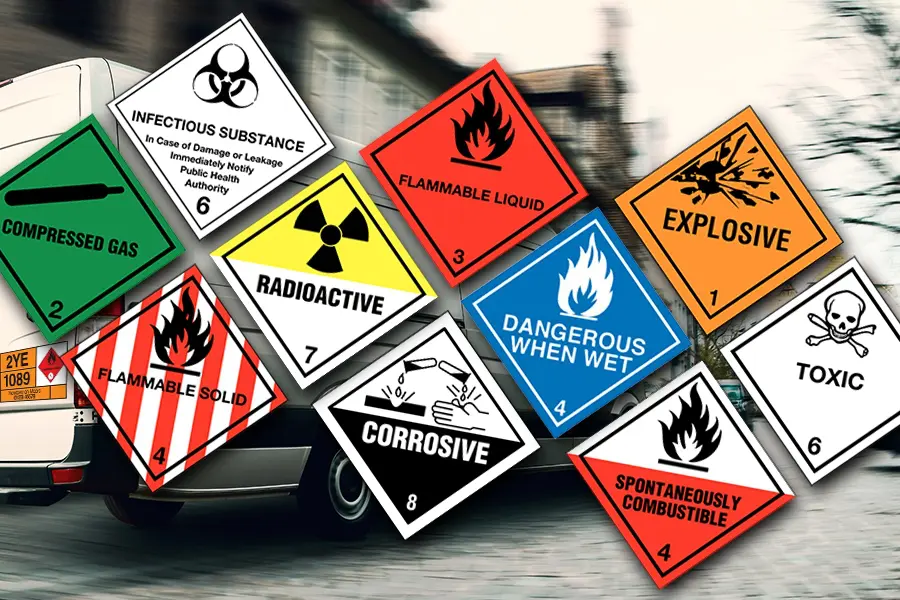
More classification and labelling information available in ECHA CHEM
Our chemicals database ECHA CHEM has been expanded to include all documents related to the harmonised classification and labelling (CLH) process. These include:
• reports proposing harmonised classification, submitted by the European Commission, Member States or companies; and
• Risk Assessment Committee’s (RAC) opinions and their annexes.
This information helps users track a proposal throughout the CLH process, from the notification of an intention to the adoption of a RAC opinion.
In addition, the Classification and Labelling Inventory in ECHA CHEM now clearly displays separate classifications for harmonised Annex VI entries when substance variants have different harmonised classifications under the Classification, Labelling and Packaging (CLP) Regulation.
REACH
A review of substance evaluation and regulatory measures in the EU
ECHA has reviewed more than a decade of substance evaluation activities under REACH. Our findings are now published in a new technical report. It highlights how the process has evolved and improved authorities’ understanding of chemicals that may pose risks to human health or the environment.
New intention to identify a substance of very high concern
New intention for identification as a substance of very high concern has been received for:
4,4′-methylenediphenol (EC 210-658-2, CAS 620-92-8 ).
Testing proposals
ECHA has launched 21 new consultations on testing proposals. Have your say until 13 November 2026.
Commission decisions on applications for authorisation
The European Commission has granted a total of three authorisations for three uses of chromium trioxide.
Find the substances and all details on the Commission website.
Classification, labelling, packaging
Consultation on harmonised classification and labelling
ECHA is looking for comments on the harmonised classification and labelling proposal for:
ethyl 4-dimethylaminobenzoate [1] 2-ethylhexyl 4-(dimethylamino)benzoate [2] padimate; 3-methylbutyl 4-(dimethylamino)benzoate [3] (EC 233-634-3 [1]; 244-289-3 [2]; 244-288-8 [3], CAS 10287-53-3 [1]; 21245-02-3 [2]; 21245-01-2 [3]).
Have your say until 27 November 2026.
New intentions to harmonise classification and labelling
Two intentions have been submitted for:
phosphine (EC 232-260-8, CAS 7803-51-2)
emamectin benzoate (ISO); (4’’R)-4’’-deoxy-4’’-(methylamino)avermectin B1 benzoate (EC -, CAS 155569-91-8).
Nanomaterials
EUON study identifies knowledge gaps on nanomaterials in flame retardants
The European Union Observatory for Nanomaterials (EUON) has published a new study (prepared by Innovamol Srl) reviewing the use of nanomaterials as/or integrated into flame retardants. The study finds that nanomaterials such as nanoclays, carbon-based materials, and metal oxides could help improve fire safety and enhance the performance of flame-retardant materials.
Significant knowledge gaps remain regarding their effects on human health and the environment. The study highlights a lack of information on how these materials behave throughout their life cycle, including during production, use, recycling, and disposal. It calls for further research, more consistent data and reporting practices, and the integration of safety and circularity considerations into product design.